Regenerative Architecture: The Design Practice That Goes Beyond Sustainability
Every year, the climate crisis intensifies as temperatures soar. While achieving net-zero by 2070 is a promising and ambitious target, the rapidly worsening global warming poses a fierce opposition. Certifications like GRIHA and IGBC provide healthy guidelines that should be adhered to, but they do not account for embodied carbon. These regulations alone are not sufficient to counter the trajectory of the environmental breakdown. The need to go a step further, in any capacity one can, is crucial. Architecture needs to be more than just sustainable. For top architects in India, this has prompted a shift in thinking from simply reducing environmental impact to actively restoring ecological systems through design.
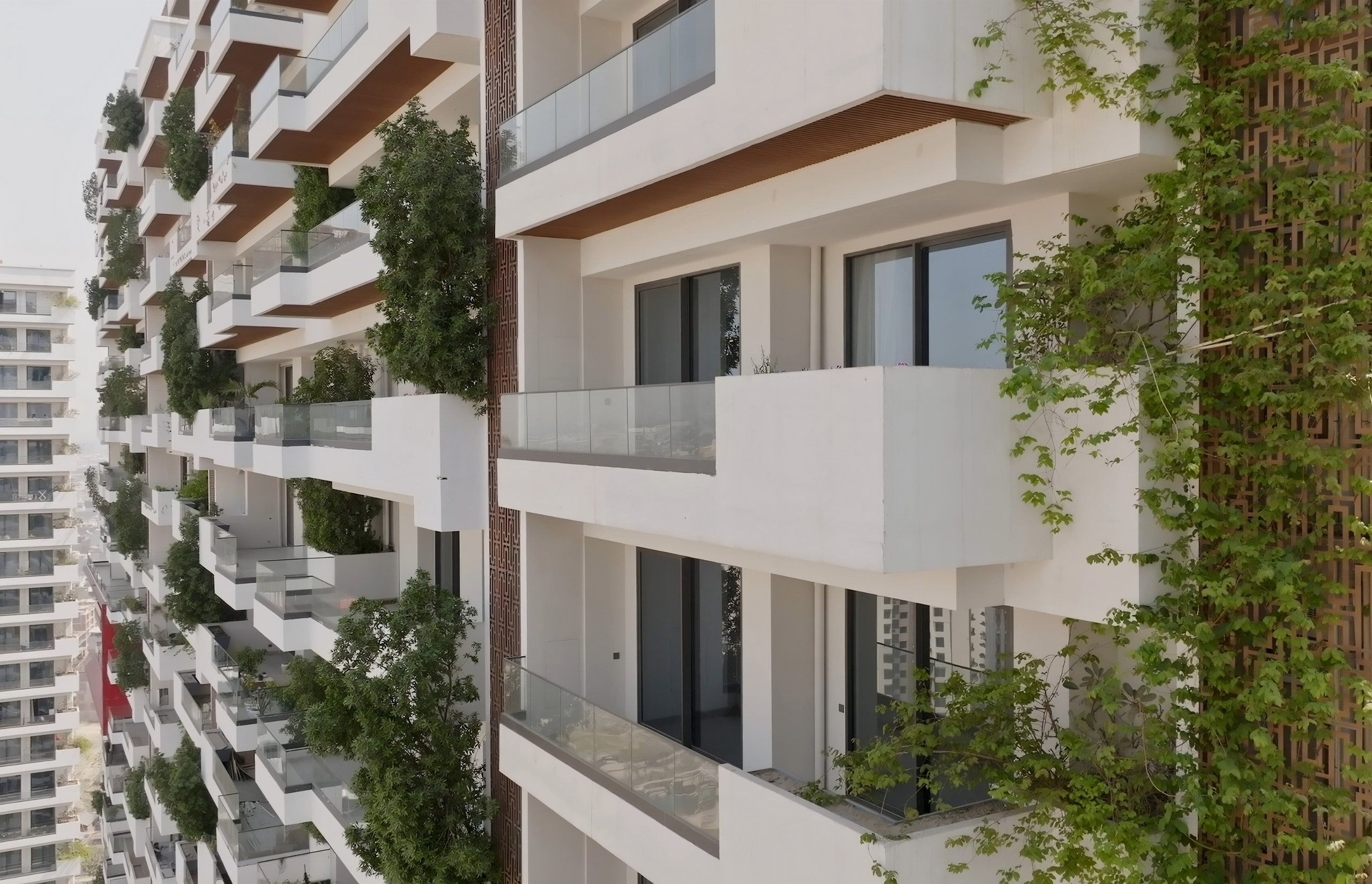
This is where living, regenerative, restorative, and adaptive buildings come into play. Sustainable buildings aim to have a lower carbon footprint. But a regenerative one actively works to replenish what has been lost. They challenge the standard building paradigm, use innovative strategies and technologies, and attempt to restore the natural environment. Sustainability isn’t confined to a site boundary.
These concepts may sound futuristic, and their application may feel years away, but our ancestors figured it out centuries ago. A part of why historical structures have a pull is not just their intricate designs and aesthetic appeal. Many traditional design elements served specific purposes. Jaalis and Chajjas lower temperatures, reduce sunlight. Construction in native material harmonises with the environment. Rainwater harvesting, green rooftops, and jharokhas have a symbiotic relationship with their ecosystem and occupants. Thus, part of the solution already exists. The other half is figuring out how to use the modern tools at our disposal to implement these solutions or develop better ones tailored to the site context and design. Many of these principles continue to inspire the work of famous architects in India, who are revisiting traditional knowledge systems to address contemporary environmental challenges.
Located in the hot, semi-arid city of Jaipur—a city that has endured harsh weather for centuries—‘Villa at Jaipur’ implements jharokhas, patterned jalis, regal domes, arches, framing doorways, and elevated chhatris effortlessly. The age-old design elements are functional and interact with their surroundings. Sustainability extends beyond energy efficiency and material selection—it also lies in preserving the people, skills, and traditions that shape our built environment. By engaging locally sourced artisans and craftsmen, the project celebrates regional identity while reducing the environmental impact associated with transporting materials and products over long distances.
On a broader scale, implementing conscious and responsive practices is a much slower process. Achieving tangible results requires immense patience. With projects like the Gulshan Dynasty, with the help of hydroponic farming, we attempted to provide the produce to the residents at the source. At County 107 the design evolves with the beautifully growing vegetation as the residents adapt to a biophilic lifestyle—a feat with years in the making, post its construction. Such long-term commitments to environmental stewardship are increasingly reflected in projects by India's top architecture firms.
Situated on the 14th Floor, where a disconnect from nature is a given, we brought nature up to the Gulshan Experience Centre. The lines between the indoor and outdoor are blurred here. Greenery seeps into the space, filtering light and becoming a part of the circulation. Water bodies grace the organic curves and a natural palette. The applications of regenerative architecture are endless—untapped potential waiting to be harnessed.
Responsible for almost 37% of global carbon emissions, the building and construction industry also has the power to drive a greater positive impact. It starts with accountability and an iron-clad will to make the world a better place, with starting conversations that explore regenerative practices and working together to build better spaces outside of site boundaries. As the conversation around climate resilience grows, the responsibility to lead meaningful change extends to everyone, from a fresher designer to a developer, and even to the best architecture firms in India, to create a more regenerative future.