Human-Centric Spaces: Designing Interiors for Well-Being
Design today is increasingly being asked to go beyond visual appeal and functional arrangement. As urban lives become increasingly fragmented and overstimulated, interiors must do more than just shelter; they need to restore, ground, and uplift. This shift towards human-centric design moves interiors away from being objects of the display toward being environments that support physical, emotional, and cognitive well-being. It's not just about wellness as a feature; it's about designing from a place of empathy.
Sensory Depth and Emotional Resonance
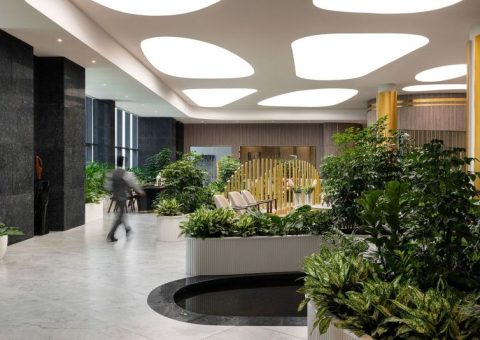
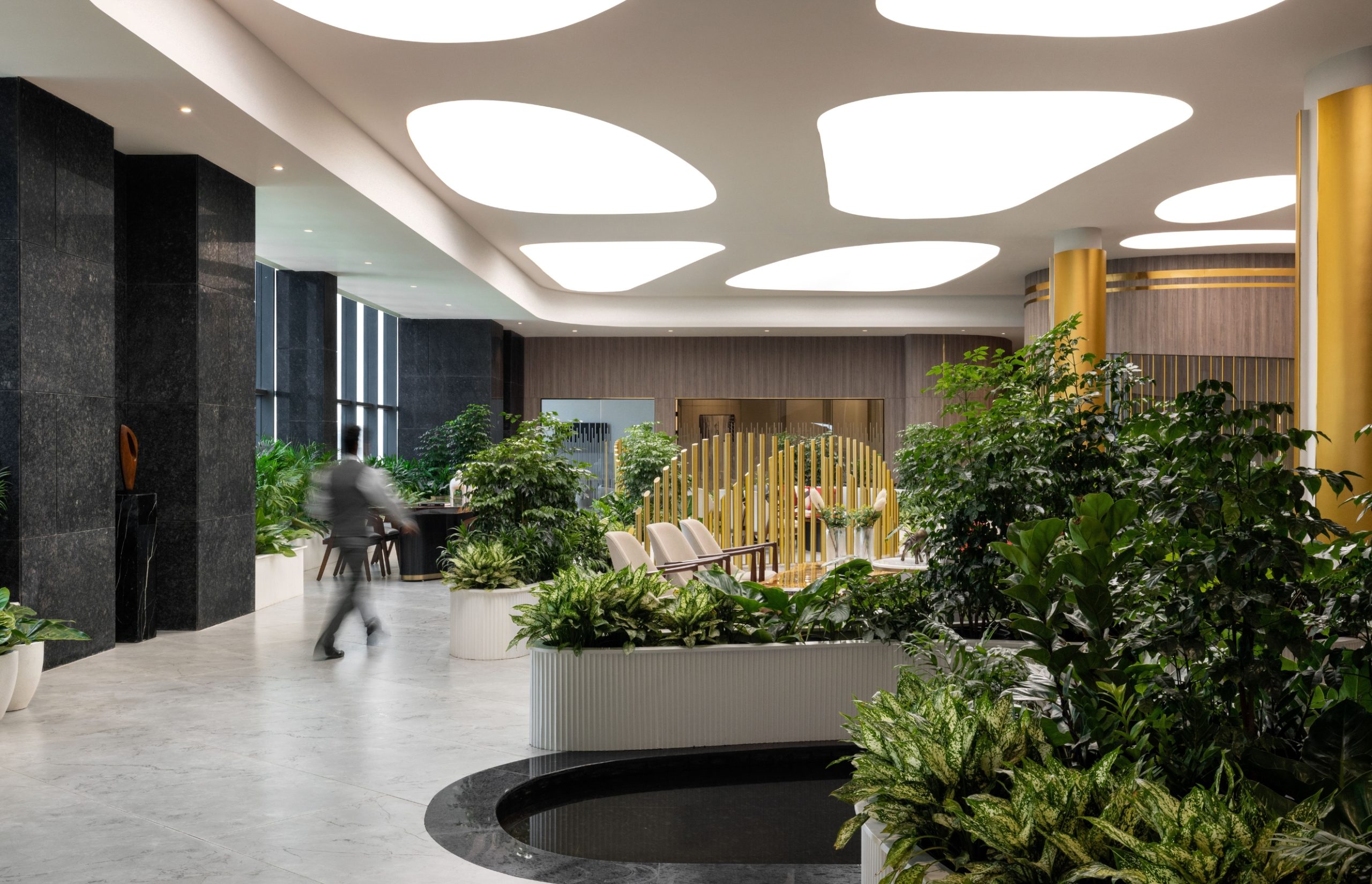
Interiors that centre well-being often work at the level of the senses. Texture, light, proportion, scent, and acoustics all shape how we feel within a space. For example, in the Gulshan Experience Centre, the interior becomes a fluid and immersive landscape. The use of curved forms, warm materials, and water features crafts an atmosphere of quiet elegance and sensory depth. Here, well-being is part of the spatial experience and the overall aesthetic of the space. The visitor is gently led through a sequence of spaces that are calming rather than overwhelming.
Biophilia as a Design Instinct
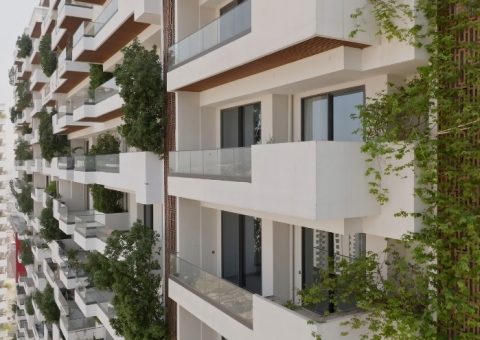
Today, the integration of nature into interiors is a biological need. Spaces that echo natural forms, offer views of green, and bring in elements like daylight and water can reduce stress and improve cognitive function. At a residential project, County 107, every residence features expansive decks and full-sized trees. This approach creates not just privacy and beauty, but also a microclimate that contributes to air quality and mental clarity.
Flexibility, Intimacy, and Control
Well-being also comes from feeling in control of one's environment. Spaces that are flexible, appropriately scaled, and offer moments of privacy allow users to feel more grounded. The Gulshan Experience Centre’s lounge, café, and AV zones reflect this by offering spatial diversity within a cohesive design language. At County 107, wide balconies, shaded decks, and intuitive circulation support a lifestyle that can adapt to daily rhythms and changing needs. These choices are subtle, but profoundly human.
Designing with Empathy
At Confluence, we approach interiors as spatial frameworks that shape human experience. Rather than treating them as static enclosures, we design them as dynamic, responsive environments—crafted to support both individual well-being and collective interaction.
Human-centric design begins with understanding scale, proportion, light, and materiality. It’s about creating spaces that invite movement and pause, that modulate acoustics and daylight, that offer clarity of circulation while allowing for moments of stillness. In projects like County 107 and the Gulshan Experience Centre, this philosophy is expressed through layered spatial sequences, tactile surfaces, and a deliberate interplay between openness and enclosure.
Through biophilic integration, thermal comfort, and sensory depth, we design interiors that are not just visually refined, but emotionally and physically restorative. These spaces don’t just function—they resonate.
Human-centric design begins with understanding scale, proportion, light, and materiality. It’s about creating spaces that invite movement and pause, that modulate acoustics and daylight, that offer clarity of circulation while allowing for moments of stillness. In projects like County 107 and the Gulshan Experience Centre, this philosophy is expressed through layered spatial sequences, tactile surfaces, and a deliberate interplay between openness and enclosure.
Through biophilic integration, thermal comfort, and sensory depth, we design interiors that are not just visually refined, but emotionally and physically restorative. These spaces don’t just function—they resonate.