Biophilic Design in Modern Architecture: Bringing Nature Into Urban Spaces
As our cities grow denser and buildings taller, architects are turning to an approach that brings nature back into our daily lives: biophilic design. The term, derived from "biophilia" – our innate love of living things – describes architecture that weaves natural elements into built spaces. Rather than treating nature as decoration, this design philosophy makes it integral to how buildings function and feel.
What Biophilic Design Actually Means
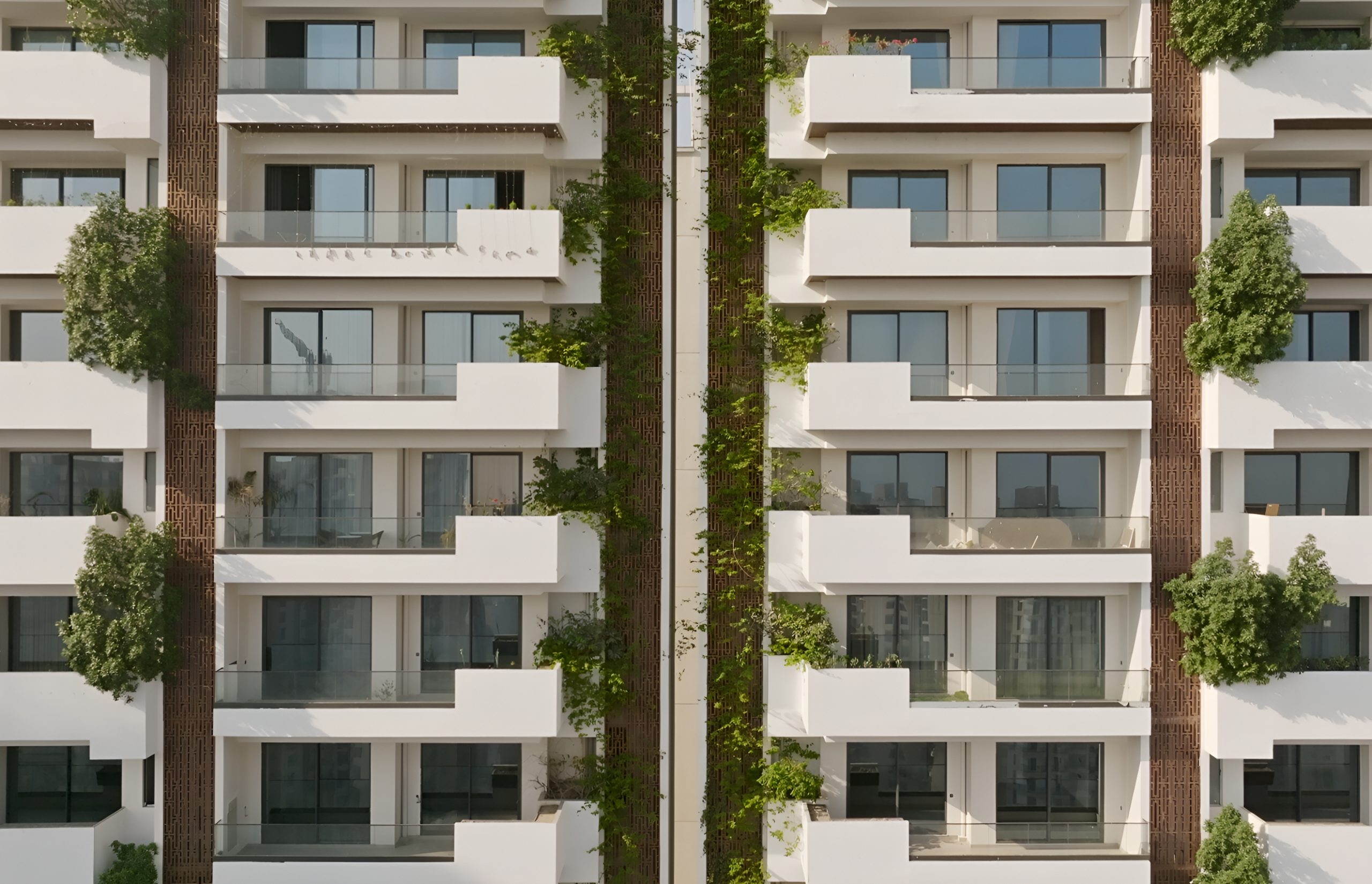
Biophilic design goes beyond adding plants to a space. It creates direct connections with nature through living walls, water features, and natural light. It also includes indirect connections – using wood and stone textures, incorporating natural patterns in flooring, or ensuring views of gardens and sky.
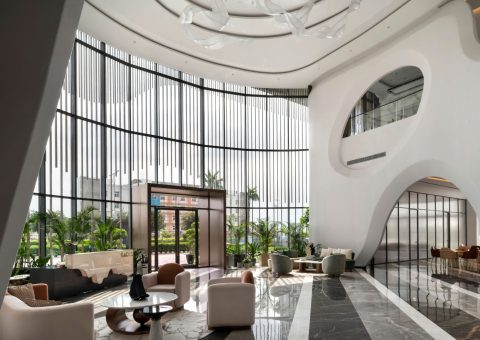
The approach considers how spaces feel. Curved lines mimic organic forms. Varied ceiling heights create intimate nooks and open gathering areas, much like forest clearings and canopied groves. Even acoustic design matters – the sound of water can mask traffic noise while creating calm.
The approach considers how spaces feel. Curved lines mimic organic forms. Varied ceiling heights create intimate nooks and open gathering areas, much like forest clearings and canopied groves. Even acoustic design matters – the sound of water can mask traffic noise while creating calm.
The Health Impact
Studies consistently show that natural elements in buildings reduce stress and improve focus. Office workers near windows report better sleep and less eye strain. Hospital patients with garden views heal faster. Students in classrooms with natural light score higher on tests.
The effects are measurable: lower blood pressure, reduced stress hormones, improved air quality from plants that filter toxins. Natural light helps regulate sleep cycles, while greenery provides mental restoration that screens cannot.
The effects are measurable: lower blood pressure, reduced stress hormones, improved air quality from plants that filter toxins. Natural light helps regulate sleep cycles, while greenery provides mental restoration that screens cannot.
Applying These Ideas in India
Indian architecture has always understood this connection. Traditional courtyards brought light and air indoors. Step wells provided cool gathering spaces. Jali screens filtered harsh sunlight while maintaining breezes.
Modern applications build on these principles. Living walls improve air quality in polluted cities. Rooftop gardens reduce heat in Delhi's summers. Local materials like sandstone and bamboo connect occupants to regional landscapes while keeping construction sustainable.
Water features inspired by traditional designs provide cooling and sound masking. Native plants require less water and maintenance while supporting local wildlife. Strategic shading reduces energy costs while maintaining natural light.
Modern applications build on these principles. Living walls improve air quality in polluted cities. Rooftop gardens reduce heat in Delhi's summers. Local materials like sandstone and bamboo connect occupants to regional landscapes while keeping construction sustainable.
Water features inspired by traditional designs provide cooling and sound masking. Native plants require less water and maintenance while supporting local wildlife. Strategic shading reduces energy costs while maintaining natural light.
Making It Work in Practice
Successful biophilic design requires planning from the start. Maximize daylight through window placement and reflective surfaces. Create indoor-outdoor transitions with terraces or gardens visible from inside. Use natural materials that age gracefully and feel good to touch.
Consider the full sensory experience. The rustle of bamboo, the texture of rough stone, the play of shadows through leaves – these details make spaces memorable and restorative. Vary ceiling heights and room sizes to create rhythm and interest, avoiding the monotony of typical office layouts.
Consider the full sensory experience. The rustle of bamboo, the texture of rough stone, the play of shadows through leaves – these details make spaces memorable and restorative. Vary ceiling heights and room sizes to create rhythm and interest, avoiding the monotony of typical office layouts.
Looking Forward
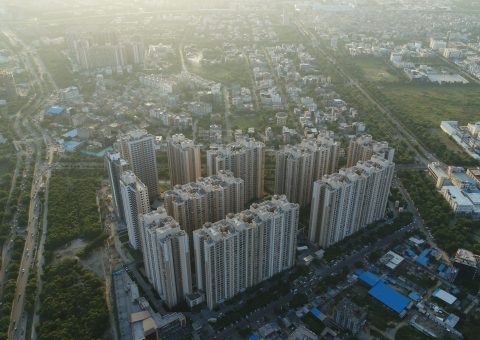
As cities become more crowded, biophilic design offers a way to maintain human well-being without sacrificing urban density. Smart building systems can now adjust lighting to match natural cycles and monitor air quality in real time.
The next step involves buildings that actively help the environment – structures with facades that clean air, systems that collect rainwater, and designs that provide habitat for urban wildlife. This isn't about choosing between technology and nature, but finding ways they can work together.
Good architecture has always responded to climate and place. Biophilic design simply makes this response more intentional, creating buildings that support both human health and environmental resilience. In a world where most people spend 90% of their time indoors, these connections to nature aren't luxury – they're necessity.
The next step involves buildings that actively help the environment – structures with facades that clean air, systems that collect rainwater, and designs that provide habitat for urban wildlife. This isn't about choosing between technology and nature, but finding ways they can work together.
Good architecture has always responded to climate and place. Biophilic design simply makes this response more intentional, creating buildings that support both human health and environmental resilience. In a world where most people spend 90% of their time indoors, these connections to nature aren't luxury – they're necessity.