Beyond Sight– Designing Spaces That Feel, Sound, and Smell Right
Architecture is often discussed in terms of what we see: form, scale, texture, and light. But the spaces we remember most are rarely visual alone. They stay with us because of how they feel underfoot, how they respond to sound, or how they carry a scent that evokes memory. Designing for multisensory experience is not an addition to good architecture; it is its essence. When sensory layers are considered with intention, they shape not only how we perceive space but also how we inhabit it.
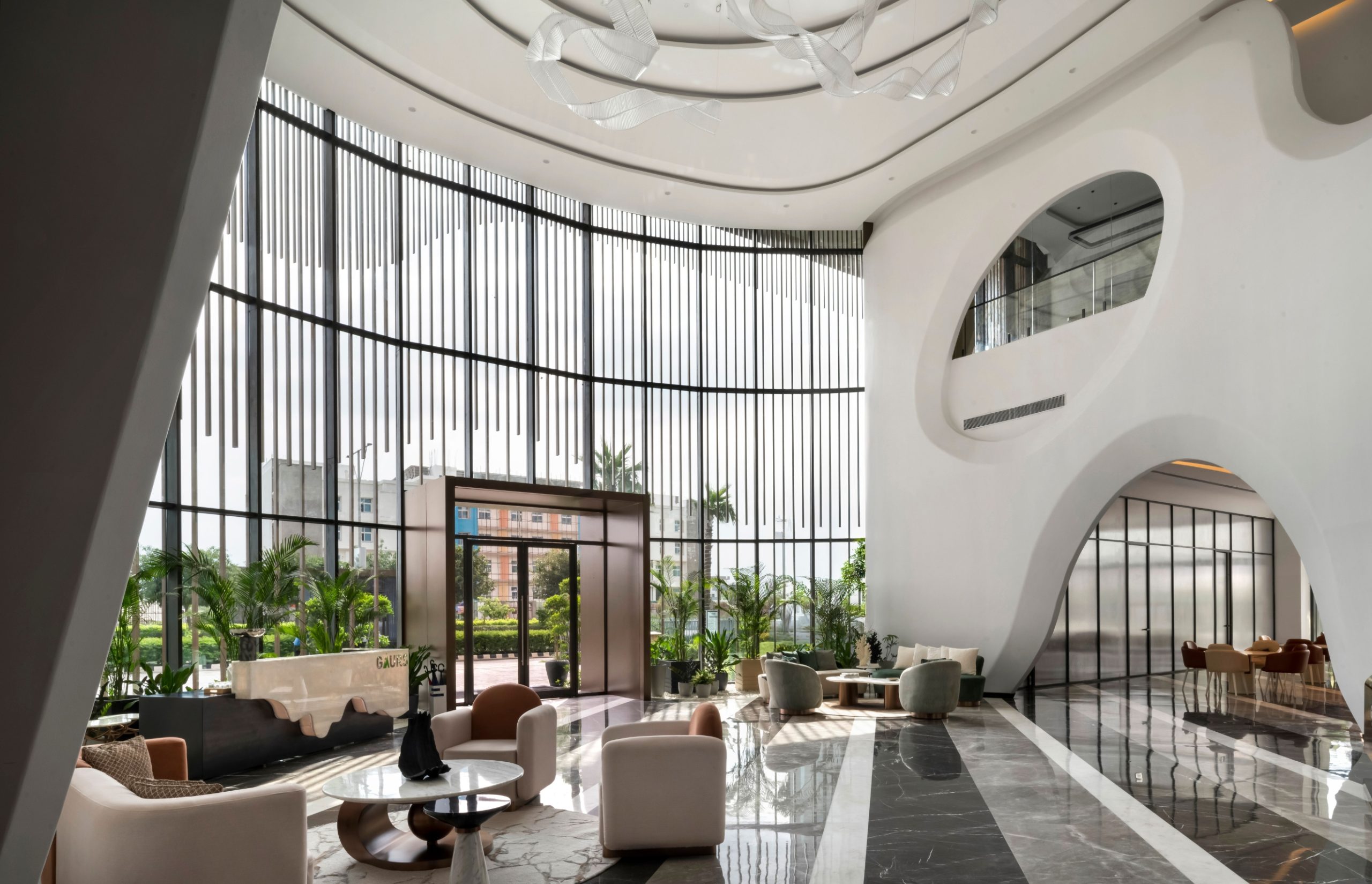
Touch and Material Memory
Materials do more than enclose space. They influence comfort, orientation, and emotional connection. Cool stone under bare feet, a timber handrail warmed by the sun, or the grain of exposed brick, such tactile moments create a physical relationship between the body and the built environment. When we consider how a surface responds to touch, we begin to move beyond abstraction and design for lived experience. At Confluence, we see this attention to tactility as a means of grounding design in the human scale.
Soundscapes and Acoustic Atmospheres
The acoustic character of a space has a profound impact on how it is used and understood. Reverberation in a public atrium signals openness, while the muffled quiet of a reading room invites pause. The layering of ambient noise—water movement, filtered wind, distant conversations—can enhance spatial clarity or soften transitions. Through materials, volume, and spatial sequencing, architecture can frame how sound travels and how silence is held. This, in turn, supports both function and emotion.
Olfactive Cues and Environmental Identity
Smell is the most immediate and emotionally charged of the senses. It connects us to a place at a subconscious level. The scent of wet earth in a courtyard, of neem leaves in a shaded verandah, or of lime plaster in a sunlit room, all evoke a specific climate, geography, and time. Architecture can facilitate this connection by allowing air to move naturally through space, by integrating planting, or by choosing materials that retain their native character. These olfactive cues make spaces memorable, without resorting to artificiality.
We believe that sensory intelligence is central to meaningful design. When we begin from the body, rather than just the eye, we create spaces that resonate more deeply. By attending to sound, touch, and scent, we craft environments that are not only seen but also felt. Architecture then becomes immersive, contextual, and transformative, making it capable of engaging people at every level of experience.
We believe that sensory intelligence is central to meaningful design. When we begin from the body, rather than just the eye, we create spaces that resonate more deeply. By attending to sound, touch, and scent, we craft environments that are not only seen but also felt. Architecture then becomes immersive, contextual, and transformative, making it capable of engaging people at every level of experience.